AI perimeter intrusion detection that sends officers only to real intruders.
Fence alarms fire all night on wind and animals, and real intruders get lost in the noise. AI perimeter intrusion detection from ZoneIntel AI checks each alarm on your cameras first.
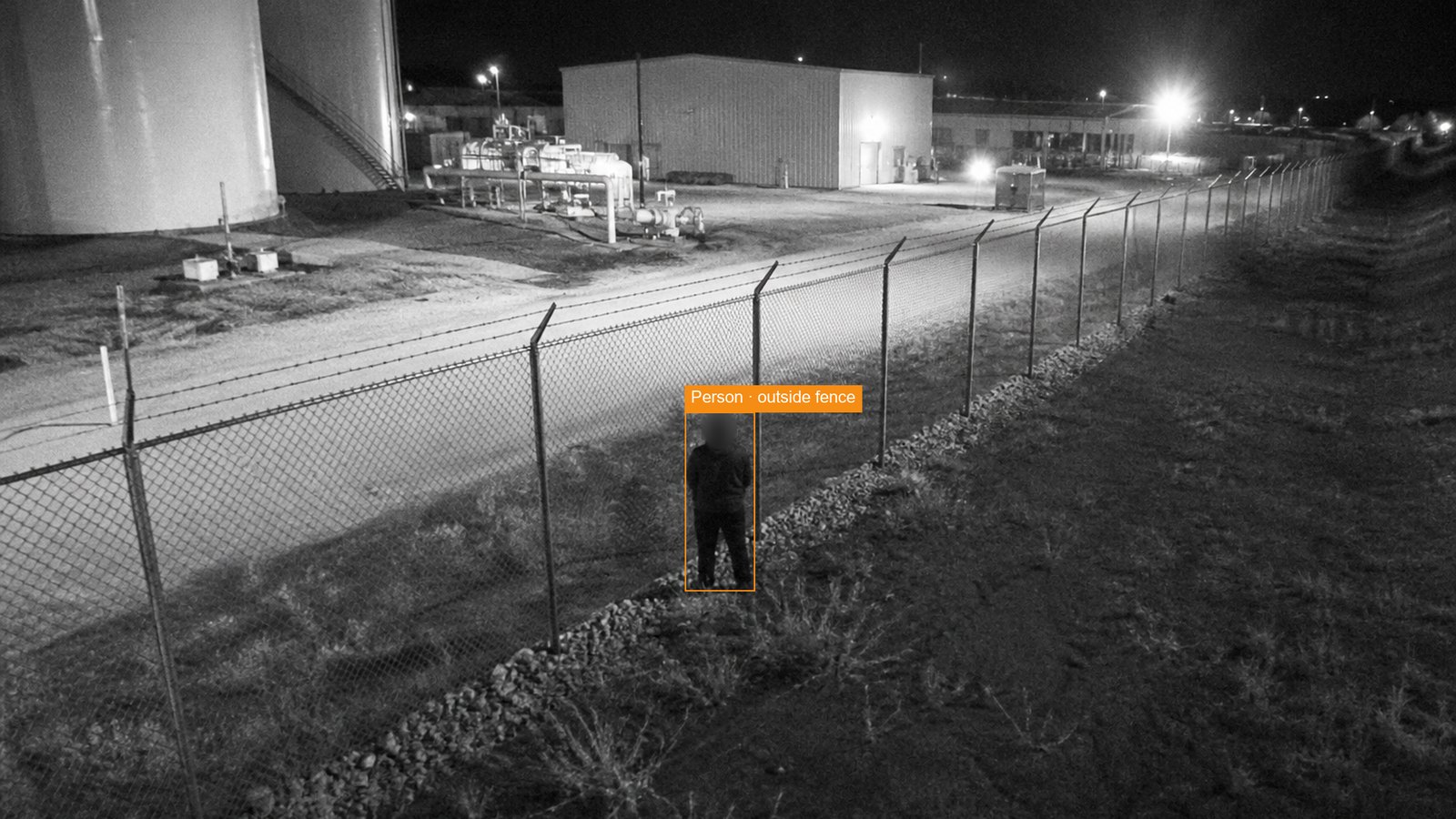 Simulation.
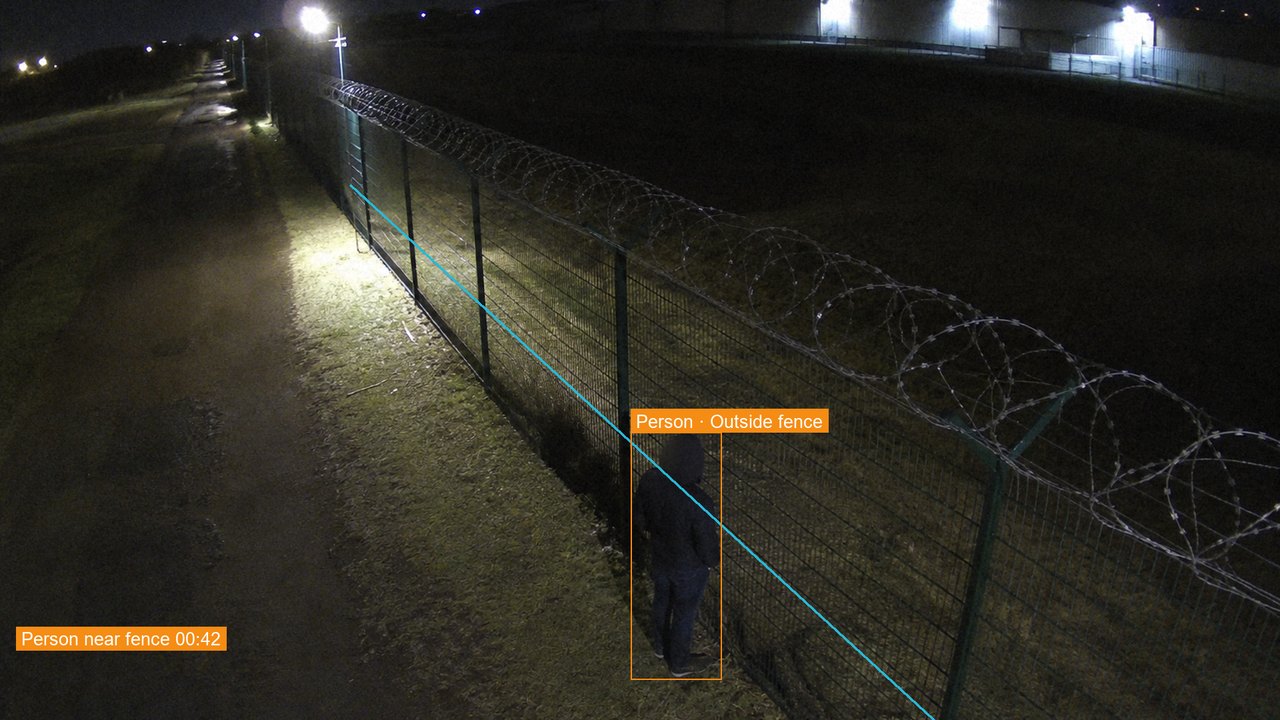 N-04 02:41:12
- Acknowledged
- On scene at post N4
- Area clear, verified on camera
Clip and record savedAdded to the night reportWhy fence alarms get ignored
Motion rules and fence sensors fire on wind, rain, headlights, animals and insects on the lens. Each alarm sends an officer to the fence or an operator to the screen.
After a few weeks of this, people stop trusting the alarms. That is when a real one slips through.
Under Singapore’s Infrastructure Protection Act, owners of designated buildings must assess their security risks and build protective measures into the design. Source: MHA, Jan 2026
Results
The pilot counts real intrusions, dismissed alarms and response times against your current process.
Fewer false call-outs.
Wind, animals and your own crew are dismissed on camera with a reason. Security officers go out only when someone is really there.
Intruders caught at the fence.
Officers reach the exact spot while the intruder is still at the fence.
A reason for every alarm.
Each dismissed alarm keeps its reason and clip. Your manager can review any decision the next day.
Night security report
| Time | What happened | Outcome |
|---|---|---|
| 21:30 | Closed. Fire exit D4 left open | Shut 22:05, verified on camera |
| 23:14 | Real. Person outside north fence, post N7 | Officer on scene 23:22, area clear |
| 02:10 | Gap. Post 3 empty for 38 minutes | Shift lead told 02:25 |
| All night | Dismissed: wind 21, animals 11, own staff 7 | Clips kept 30 days |
Sample report with made-up data. Simulation.
How AI perimeter intrusion detection works
Detect on your cameras
ZoneIntel finds people and vehicles in the zones you draw, such as the fence, the gate or the yard. Each zone has its own armed hours.
Understand the scene
ZoneIntel reads what is going on. It sees one person or three, a bag or tools, and someone walking past or climbing. It then checks the zone and time against tonight’s work list.
Send confirmed alarms
Confirmed alarms reach your officers and your control room with the clip and the exact spot. They arrive by app, SMS, Teams, email or your video system.
Close it on camera
The alarm becomes a task with an owner. A manager hears if nobody answers, and the task closes when the camera shows the area clear.
Unattended sites and fuel stations
Fuel stations, pump houses and remote compounds often have nobody on site at night. The camera is the only witness until morning.
- After-hours intrusion: a person or vehicle on the forecourt after closing is checked on camera. The control room gets the clip.
- Forced entry at the shop: someone at a shop door, window or cash machine after hours becomes a confirmed alarm with the exact spot.
- Unmanned stations: sites without night staff get the same alarm verification and virtual patrol from one control room.
Questions
Does AI perimeter intrusion detection work at night?
It works at night on the infrared cameras most sites already have. Range depends on where the cameras sit and how the fence is lit. We test your own night footage first.
We already have fence sensors. Can ZoneIntel AI check those alarms?
ZoneIntel can take your fence sensor alarms. Each one gets alarm verification video from the nearest camera before anyone is sent.
How does it know our own night crew from an intruder?
ZoneIntel gets the night work list with its crews, vehicles, zones and hours. It checks hi-vis, vehicles, place and time against that list before it raises an alarm.
Who talks down or dispatches?
Your security officers or your chosen licensed monitoring centre handle it, with your speakers and procedures. ZoneIntel gives them the verified alarm and clip. It confirms on camera when the area is clear.
Do we need a new AI intrusion detection camera?
Most sites do not need a new AI intrusion detection camera. ZoneIntel runs on the standard IP cameras already on your fence. A footage review shows which views need a better angle or more light.
Send us one night of your perimeter footage.
We send back the real alarms, the dismissed ones with their reasons and the clip behind each call.