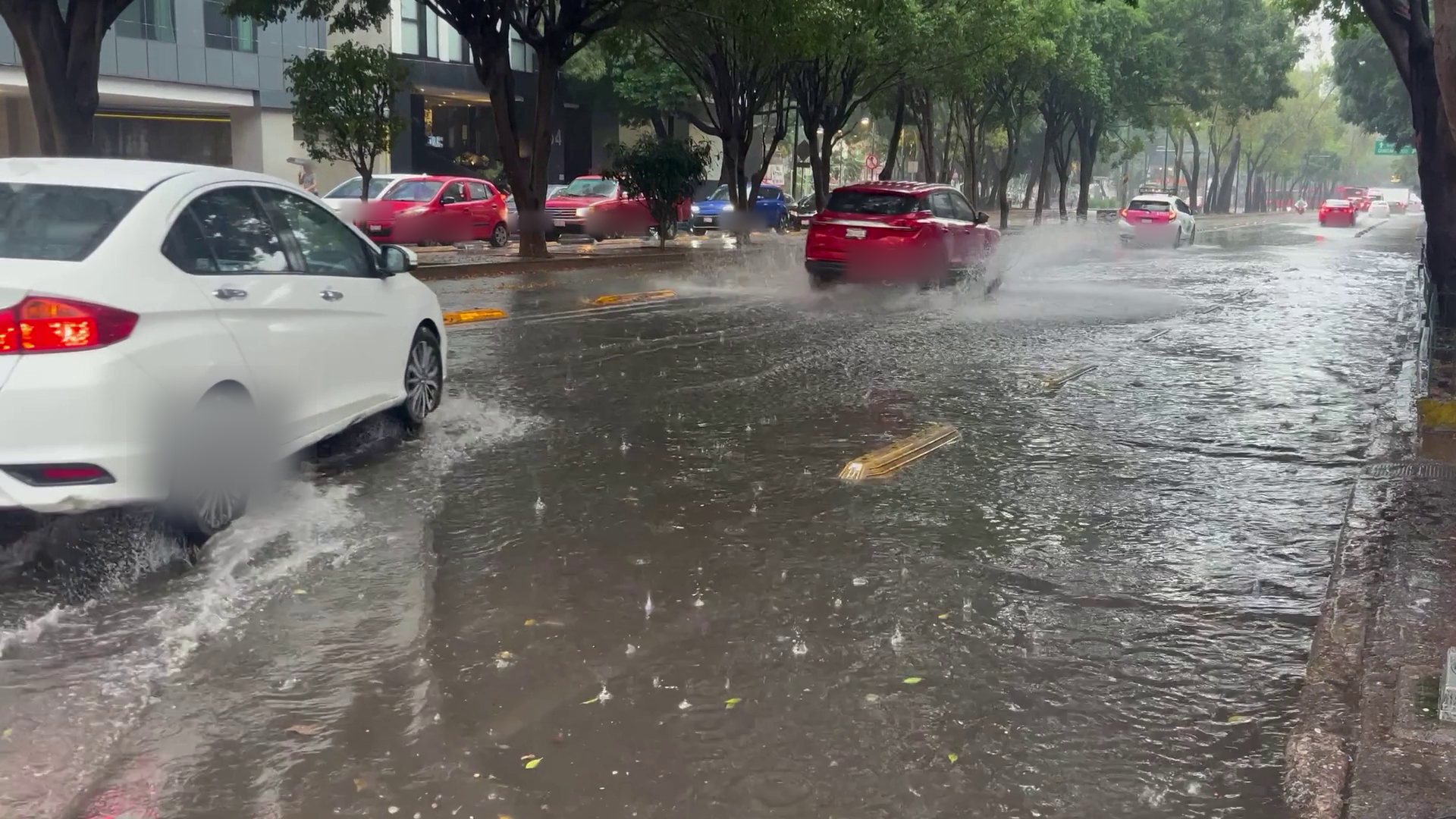
City video analytics that gets each problem fixed, with proof on camera.
Residents often report a problem before the city sees it. ZoneIntel AI checks drains, hotspots, junctions and public spaces on the cameras the city already owns.
System integrators can partner with ZoneIntel AI.
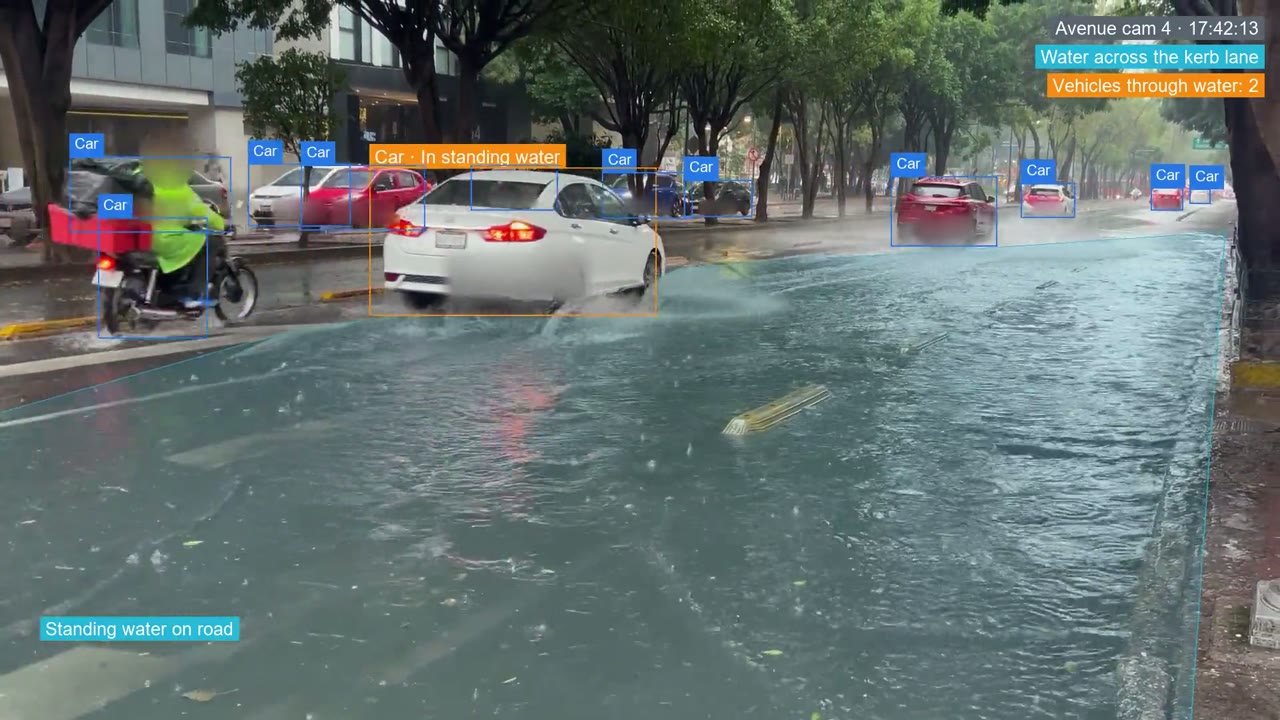 Crew dispatched; the same camera rechecks the lane at 18:05
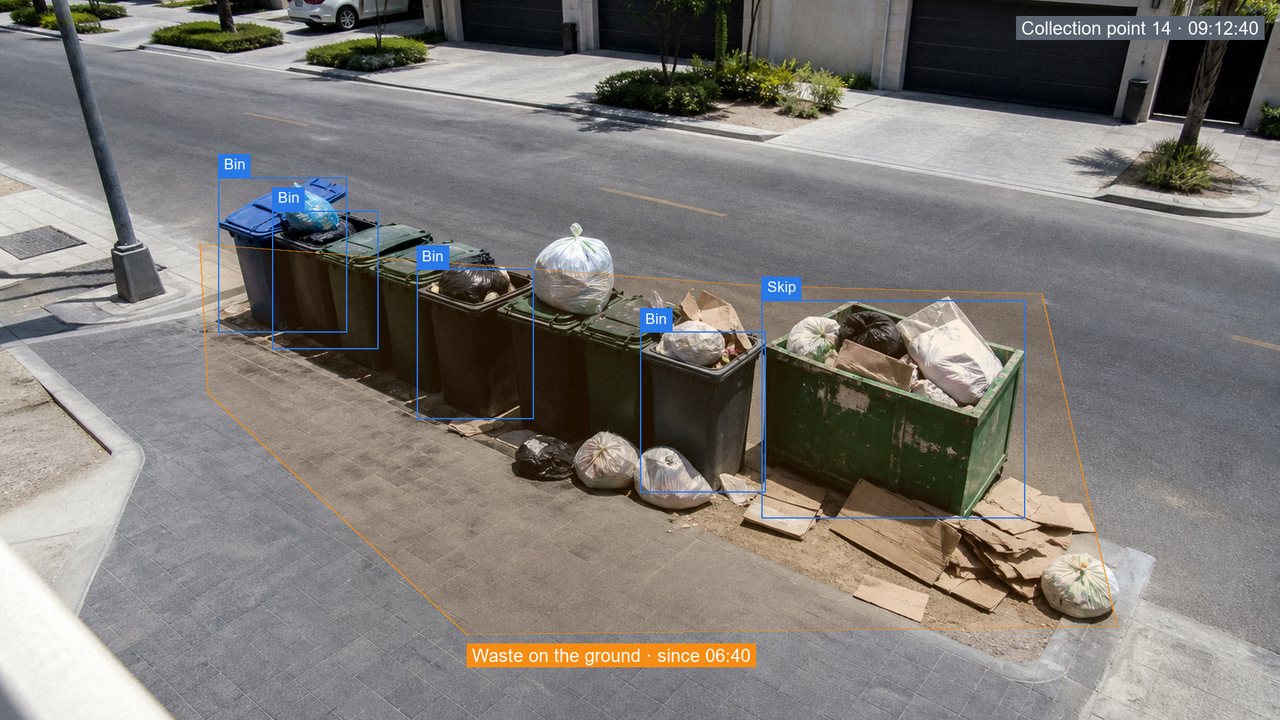
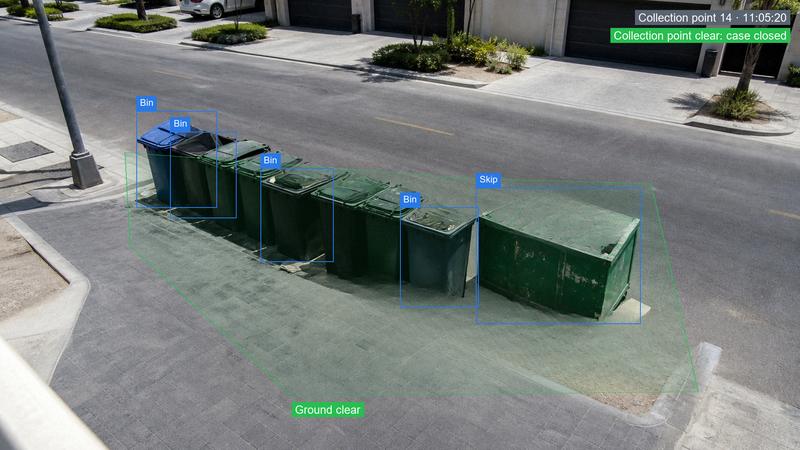 Ground clear on the same camera, 11:05
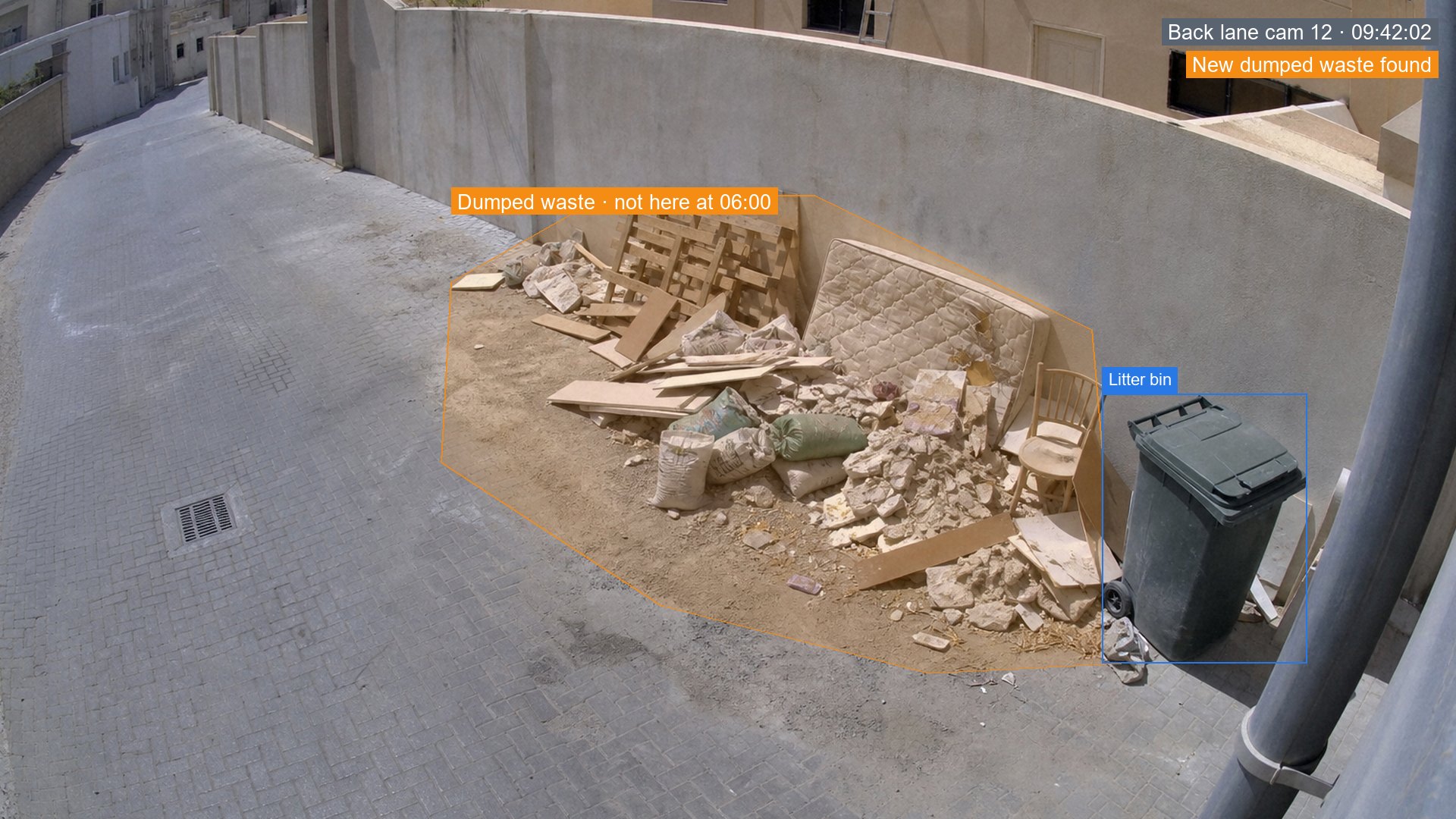
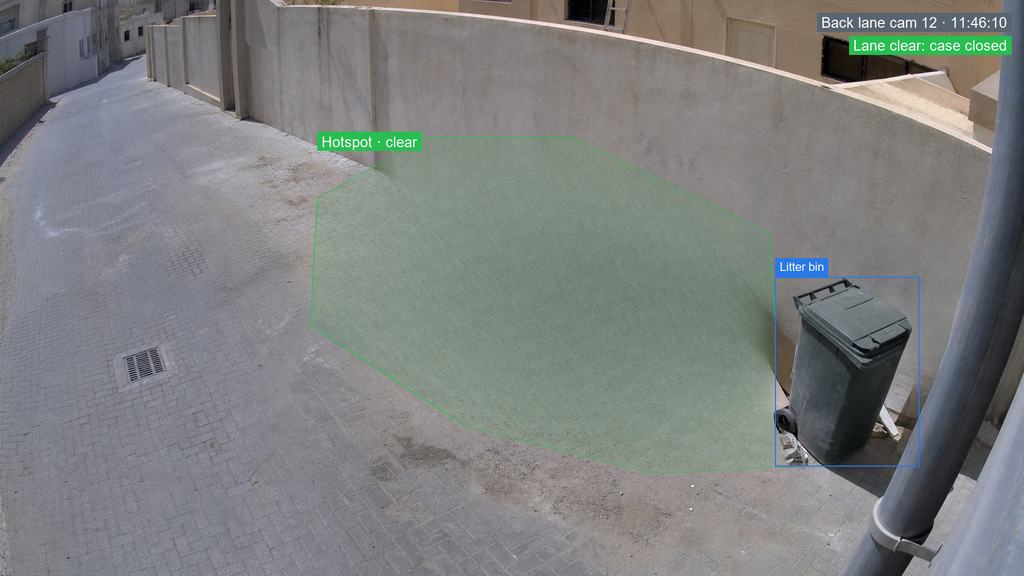 Lane clear on the same camera, 11:46
City use cases
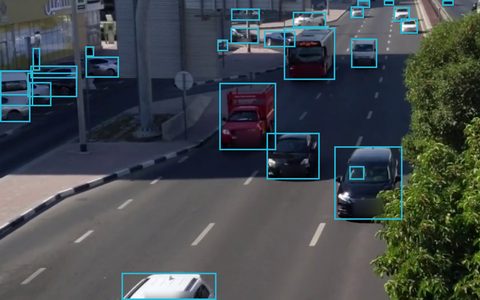 Traffic and incidentsStalled vehicles and blocked junctions.
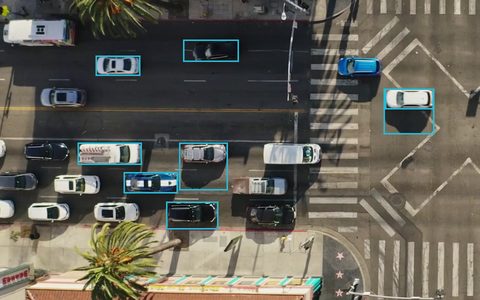 Parking and kerbsideVehicles stopped in bus lanes and loading bays.
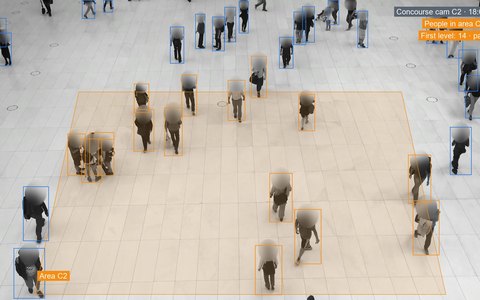 Crowds and eventsCrowd build-up at stations and event gates.
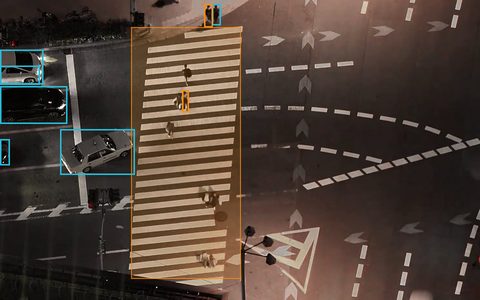 Public safetyLate-night activity at crossings and squares.
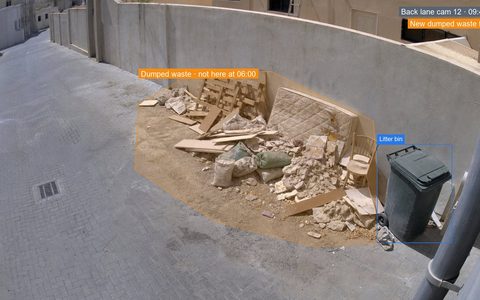 Cleanliness and illegal dumpingDumped waste at known hotspots.
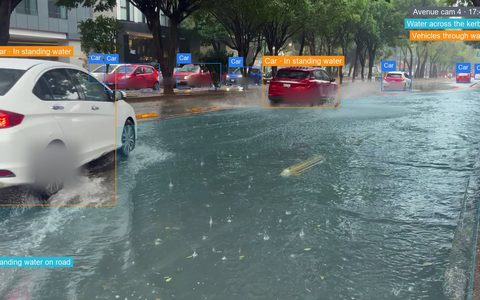 Drains and floodingStanding water and blocked gratings.
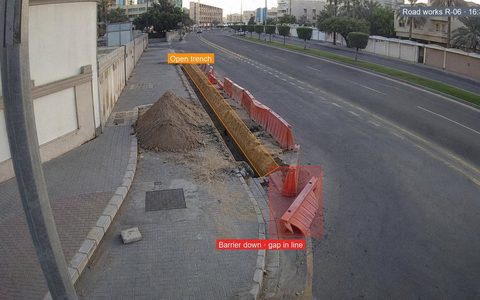 Roads and public worksBarriers down and damaged lanes.
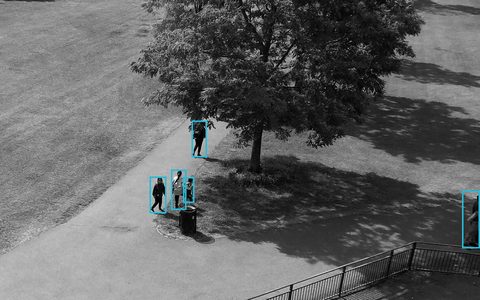 Parks and public spacesClosed areas, litter and damaged fixtures.
More city pages: smart city video analytics, smart waste bin checks, visual pollution detection, town council CCTV, construction site silt and drain CCTV and the tender specification.
City operations today
Most city footage is only reviewed after an incident. To confirm contractor work, the city usually sends an inspector.
Singapore has more than 100,000 police cameras, and the government does not track the number of enforcement cameras across all agencies.
Source: MHA, Sep 2026
City operations overview
Each agency sees open cases by type and zone. It also sees each contractor’s work orders and days to close.
- Every case links to its clip and its closing photo.
- Contractors see only their own work orders.
Cases by type and status
- Illegal dumping58
- Drains and standing water41
- Overflowing bins38
- Road damage34
- Road works and permits25
- Visual pollution18
- Closed on camera
- Open, within deadline
- Overdue
Cases by zone and type
| Dump | Drain | Bins | Road | Works | Visual | All | |
|---|---|---|---|---|---|---|---|
| Zone A | 20 | 9 | 12 | 8 | 7 | 5 | 61 |
| Zone B | 18 | 8 | 10 | 7 | 6 | 5 | 54 |
| Zone C | 9 | 14 | 7 | 8 | 5 | 4 | 47 |
| Zone D | 11 | 10 | 9 | 11 | 7 | 4 | 52 |
Average days to close, weeks 38 to 45
Results for city teams
| Result | Pilot measure |
|---|---|
| Problems found before residents report them | Cases found on camera before any complaint was logged. |
| Each case sent to the team that owns the place | Hours from finding to work order, and days to close. |
| Contractor work proven on camera | Cases closed with an on-camera check, and inspector trips saved. |
The district sees which contractors close on time. Inspectors go out only when the camera cannot confirm a fix.

Weekly contractor report
Week 45, sample district| Contractor | Work ordersOrders | Closed on cameraClosed | Avg daysDays | Overdue |
|---|---|---|---|---|
| Waste collection, all zones | 96 | 92 | 1.1 | 2 |
| Drainage maintenance | 41 | 37 | 2.4 | 3 |
| Road maintenance | 52 | 47 | 1.9 | 3 |
| Utility works permits | 25 | 22 | 1.2 | 1 |
Questions city teams ask
Does ZoneIntel AI work with the cameras a city already has?
ZoneIntel works with standard IP cameras, read directly or through the city’s video recorders. A footage review shows which views are usable before any pilot is agreed.
Can a city or town council buy ZoneIntel AI direct?
Cities and town councils buy direct from ZoneIntel or through an integrator who holds the contract. The integrator installs the system and gives first-line support. The ZoneIntel team supplies the software, updates and second-line support.
How does it know a problem was fixed?
The same camera view is checked again after the work order. The case closes when it shows the waste gone or the barrier back up. An authorised officer can also close it.
Does the video leave the city’s servers?
Video stays on servers the city controls by default. Only the events, clips and reports the city chooses reach the dashboard and the systems linked to it.
Does it identify people in public spaces?
City analytics find water, waste, barriers, parked vehicles and crowd levels without identifying anyone. They create no face templates. Exports blur faces and plates by default. Only an authorised role can export unblurred.
Case list from one district’s cameras
Integrators bring one district’s cameras and get the case list within two weeks of camera access. City teams can ask for a sample case report from footage like theirs.